
The World’s Cities Have an Energy Problem
Grid fragility, price volatility, digitalization, and aging infrastructure are exposing cities to ever-increasing risks.
Growing Demand
Fragile Infrastructure
Increasing Complexity
Economic Uncertainty
Digitalization
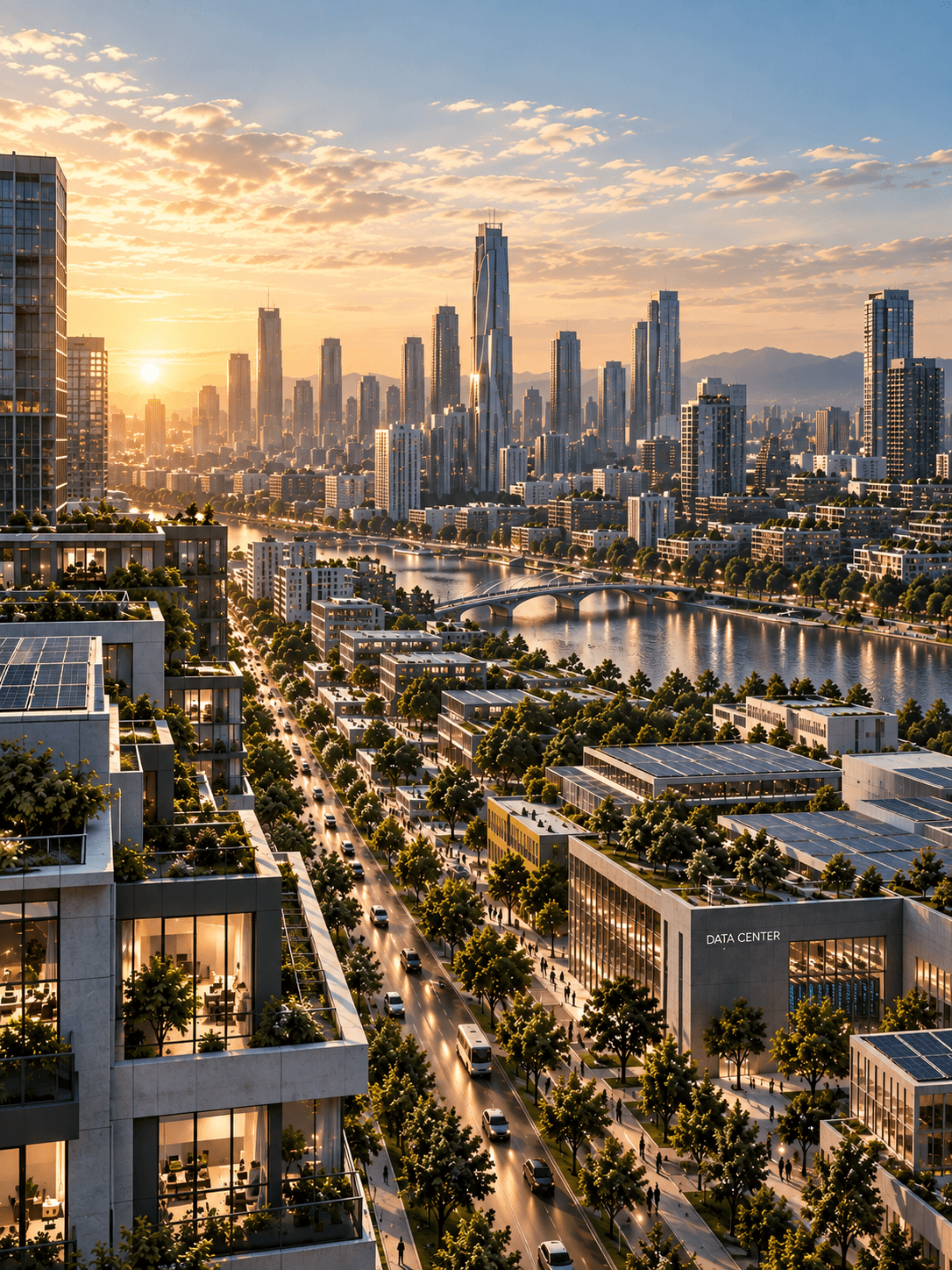
Cities are asking more from the grid. Population growth, electrification, data centers, transportation, and increasingly connected infrastructure are driving energy demand higher. The cities of tomorrow will require significantly more power and greater flexibility in how that power is produced and distributed.
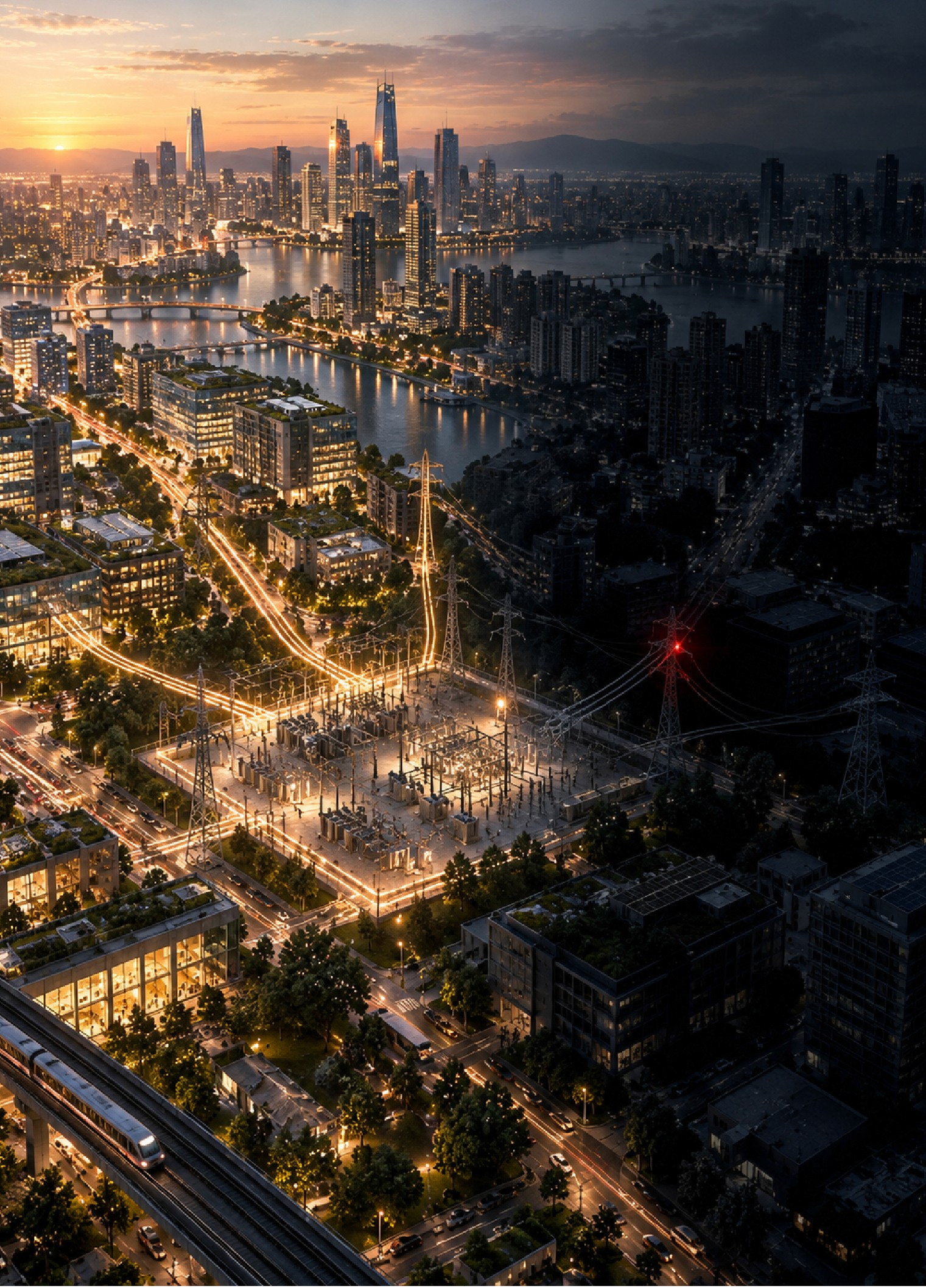
Centralized systems create concentrated risk. Much of today’s energy infrastructure relies on aging equipment and centralized points of dependency. When one critical component fails, the effects can ripple across entire communities, businesses, transportation systems, and essential services. Resilient cities need energy systems capable of adapting, isolating, and continuing to operate.
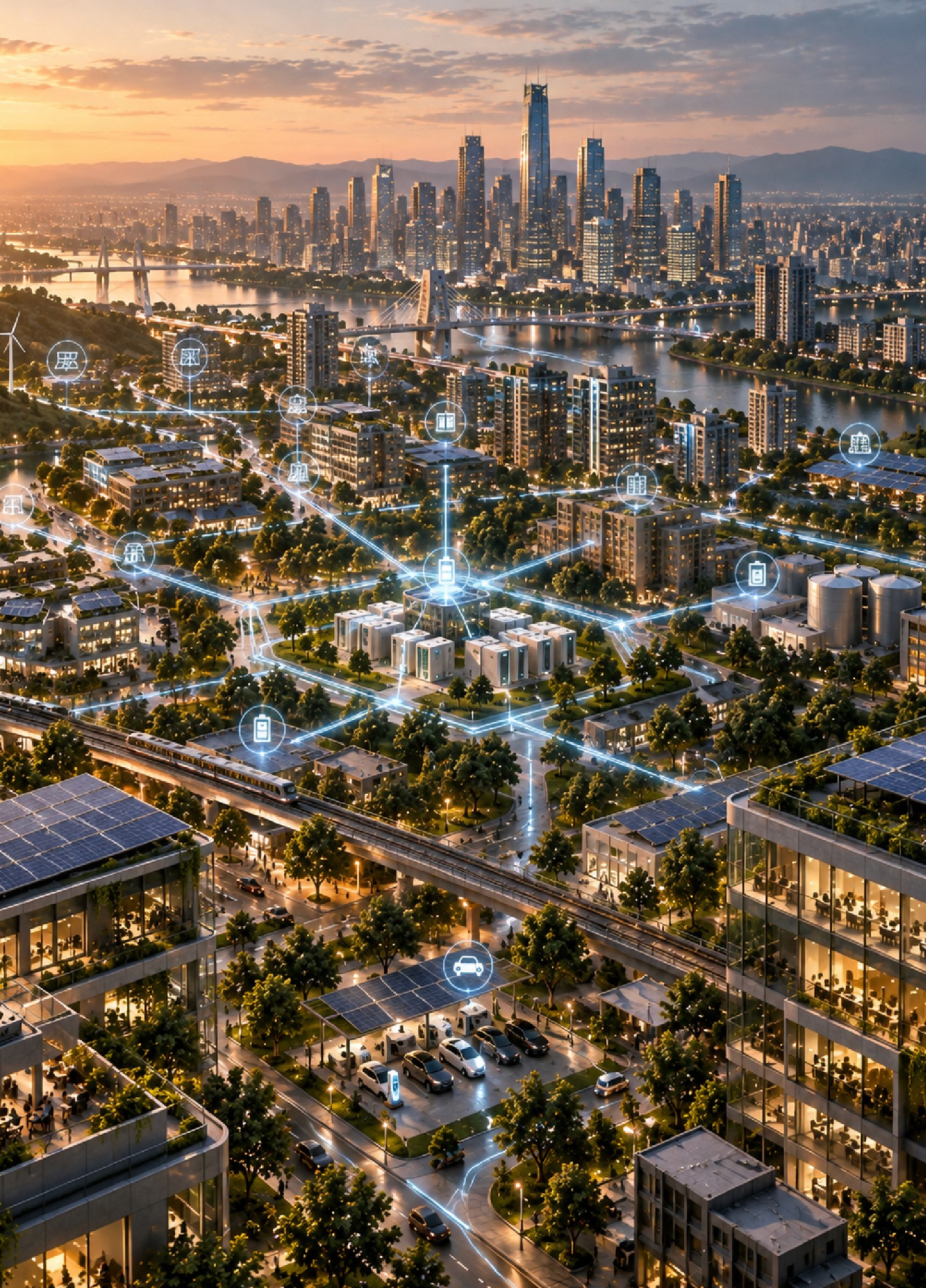
A changing energy mix requires a smarter system. Solar, storage, distributed generation, electric vehicles, and other technologies are transforming how cities generate and consume energy. But adding more technology alone doesn’t create resilience. Cities need intelligent infrastructure capable of coordinating these resources in real time, balancing supply, demand, cost, and reliability as conditions change.
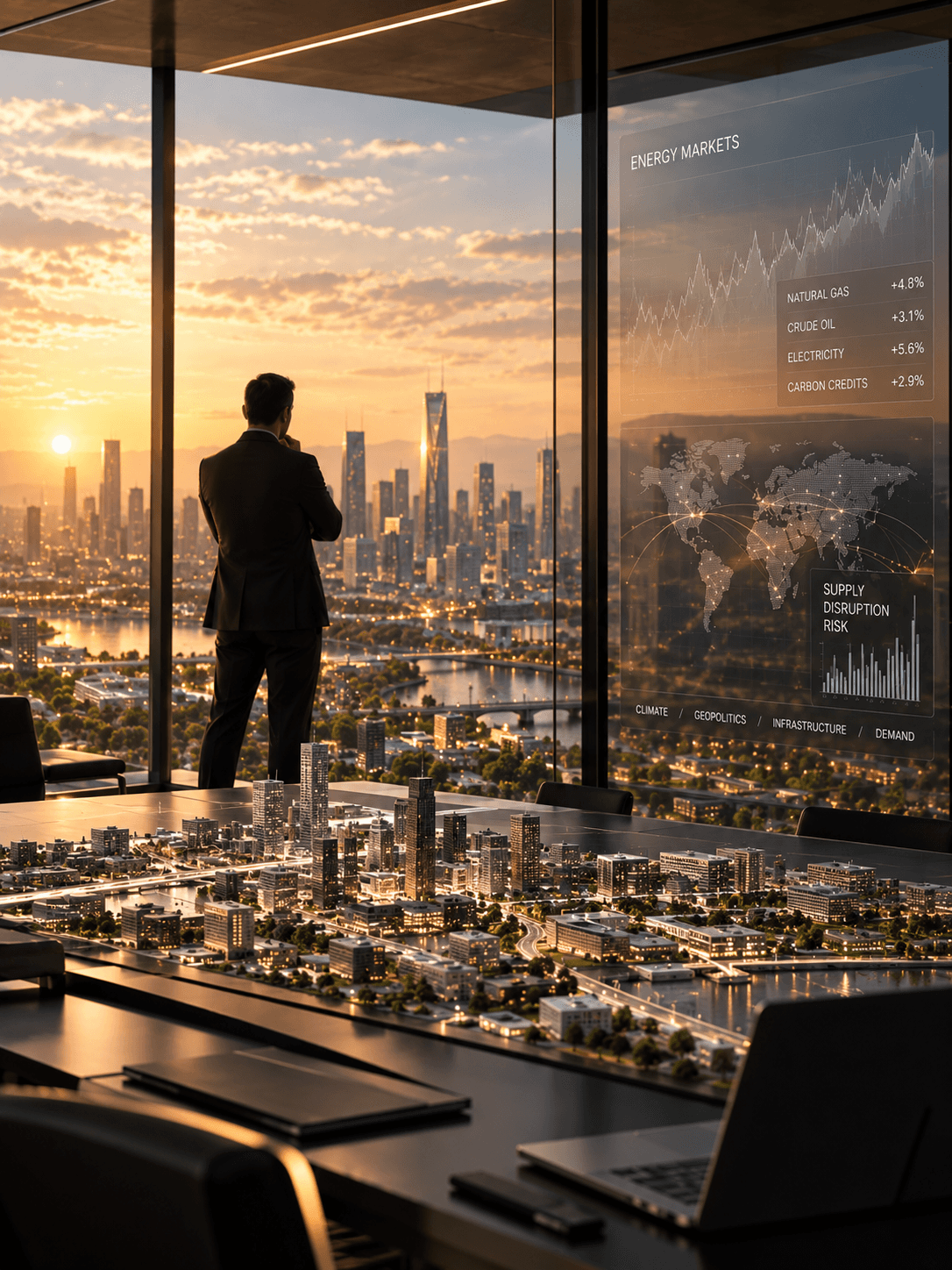
Energy volatility makes cities harder to plan. Energy costs are increasingly influenced by extreme weather, fuel markets, infrastructure constraints, and shifting demand. For cities, businesses, and developers, that uncertainty affects operating costs, investment decisions, and long-term growth. The future requires energy infrastructure that is not only cleaner and more resilient, but more predictable.
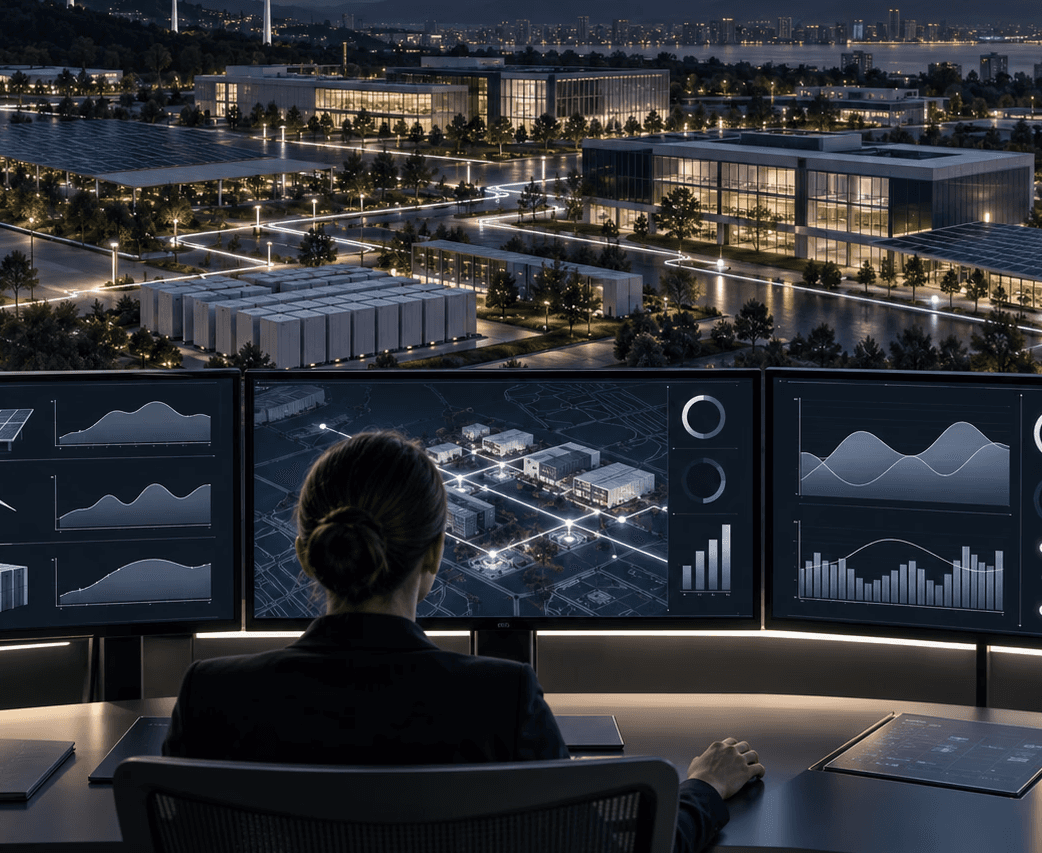
Every city system is becoming a data system. Smart buildings, connected infrastructure, EV networks, and data centers are turning city energy into a digital network. More connected devices mean more data, more cyber exposure, and more dependence on systems a city doesn’t control. Resilient cities need intelligence that runs locally, keeps data sovereign, and protects essential services.
What a Sustainable City Looks Like
Hover’s Agentic AI Managed Microgrid integrating multi-sourced power generation with optimized consumption to create Productivity & Efficiency for the Community.
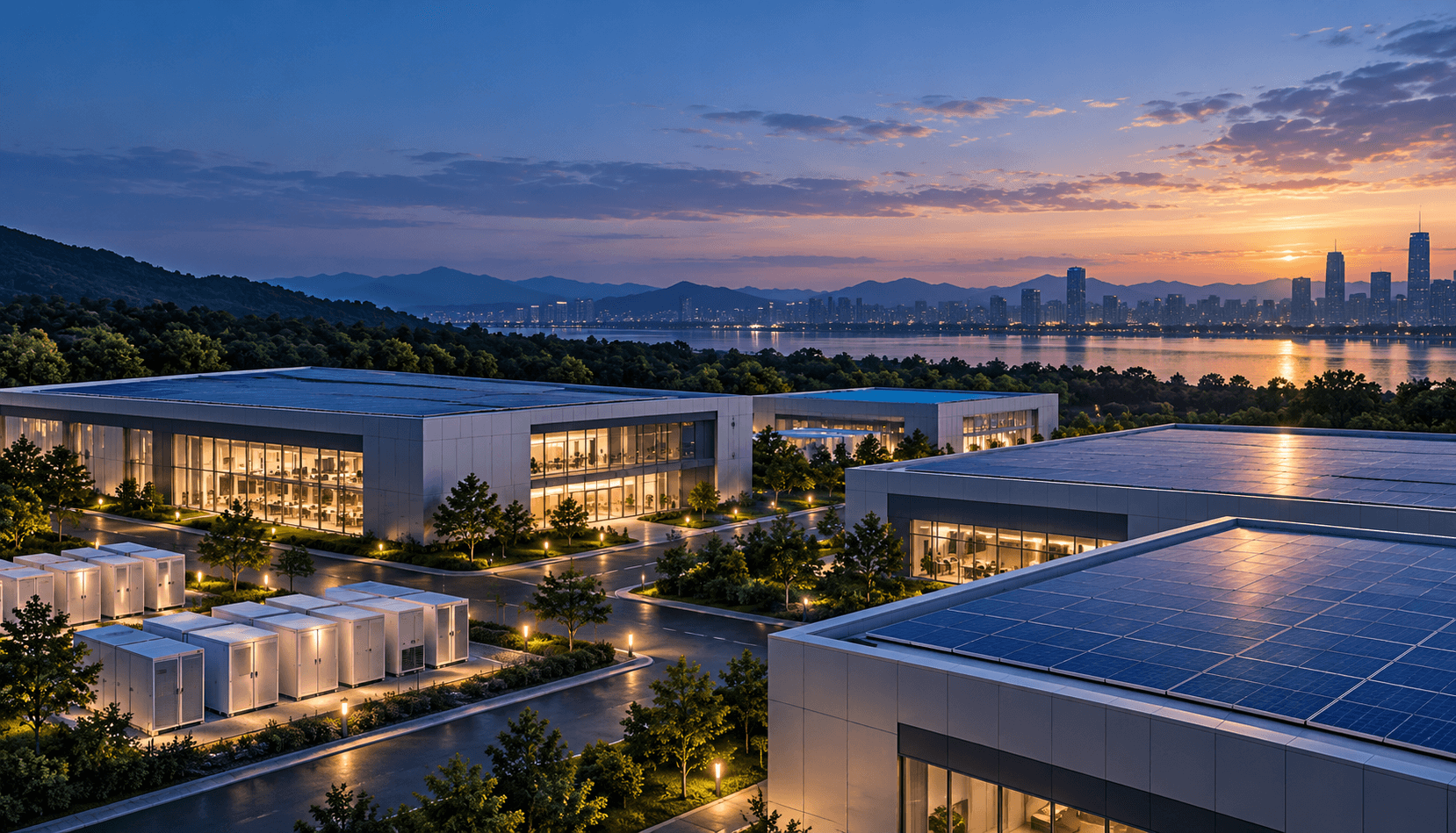
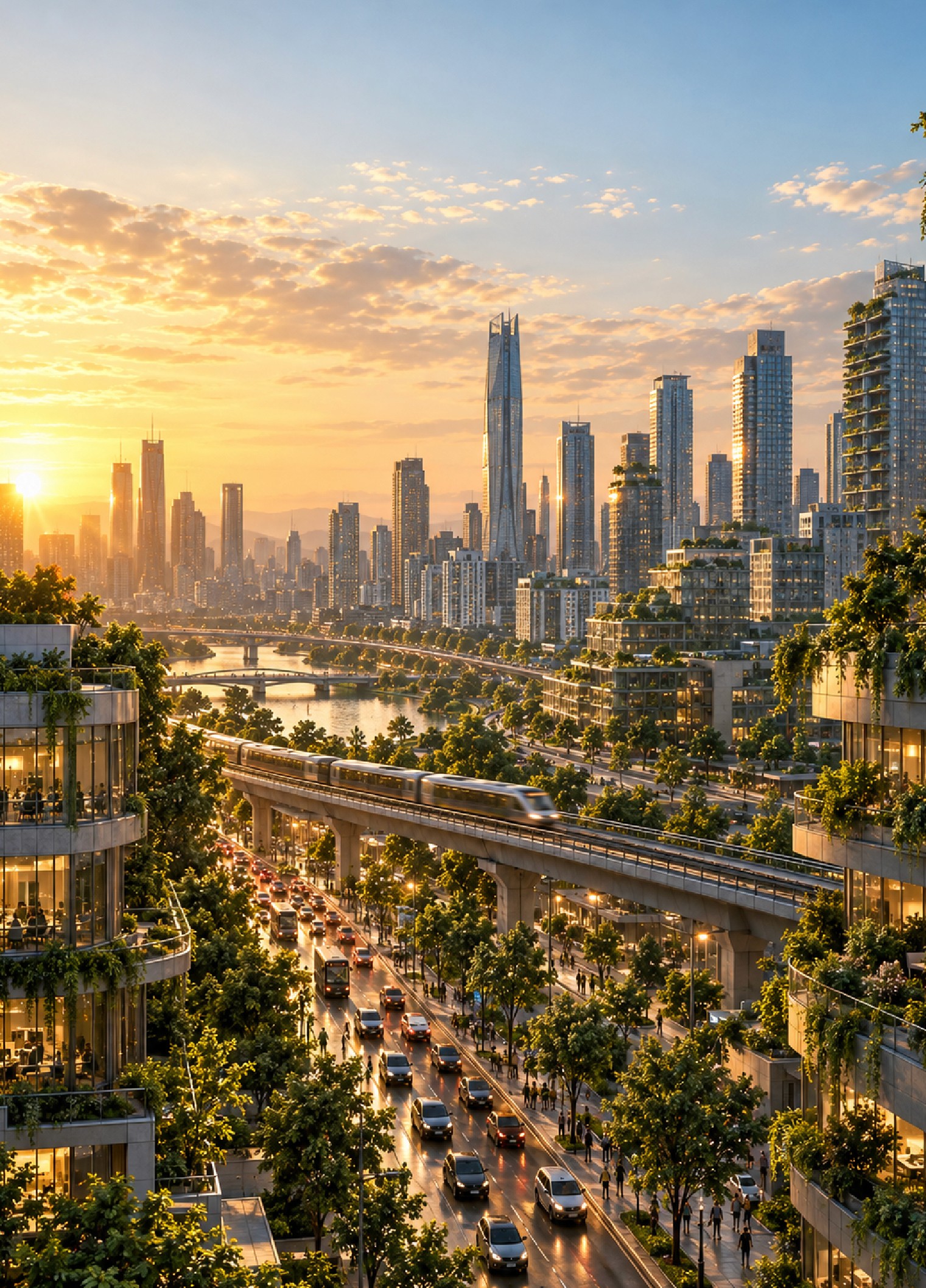

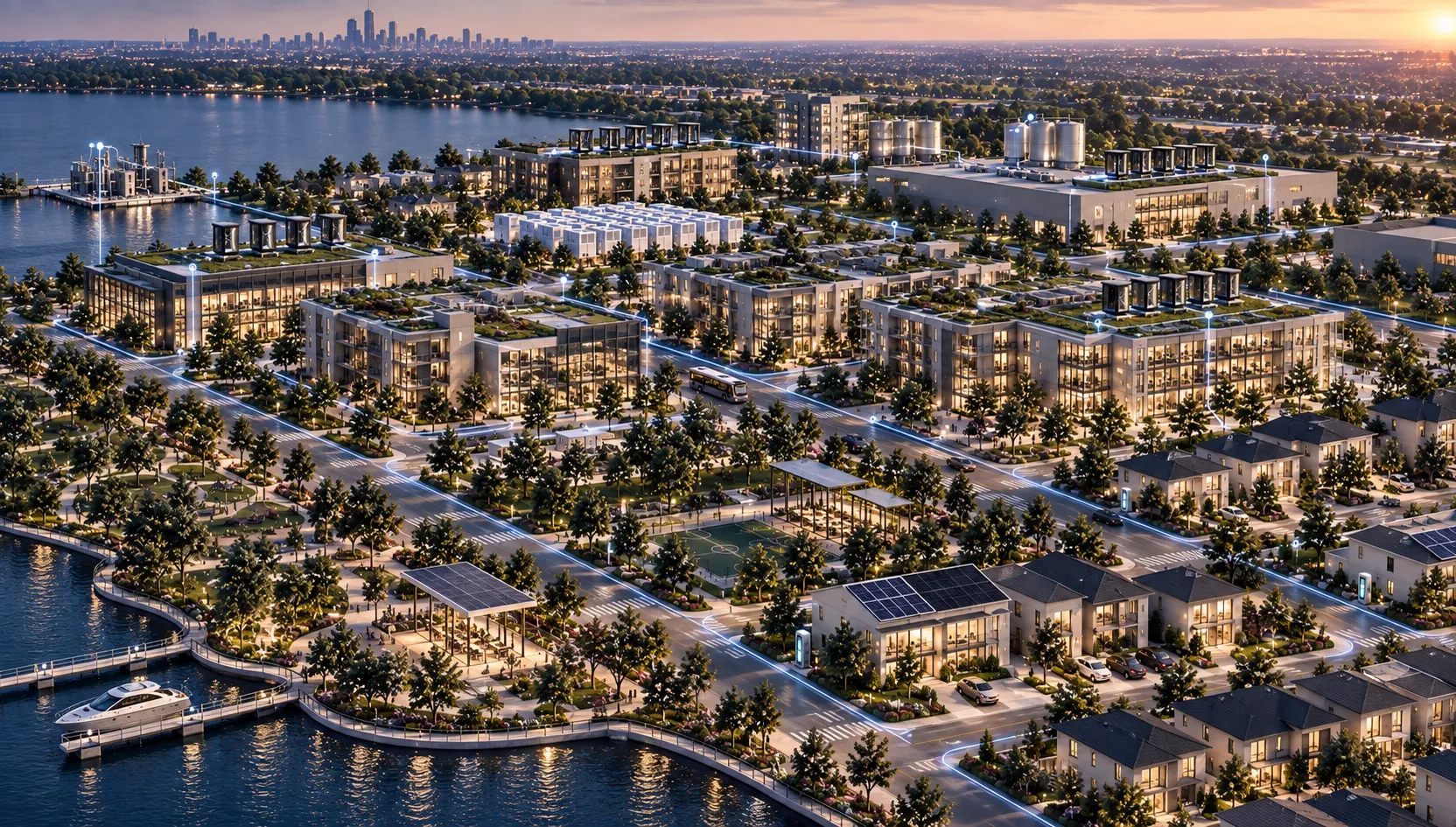
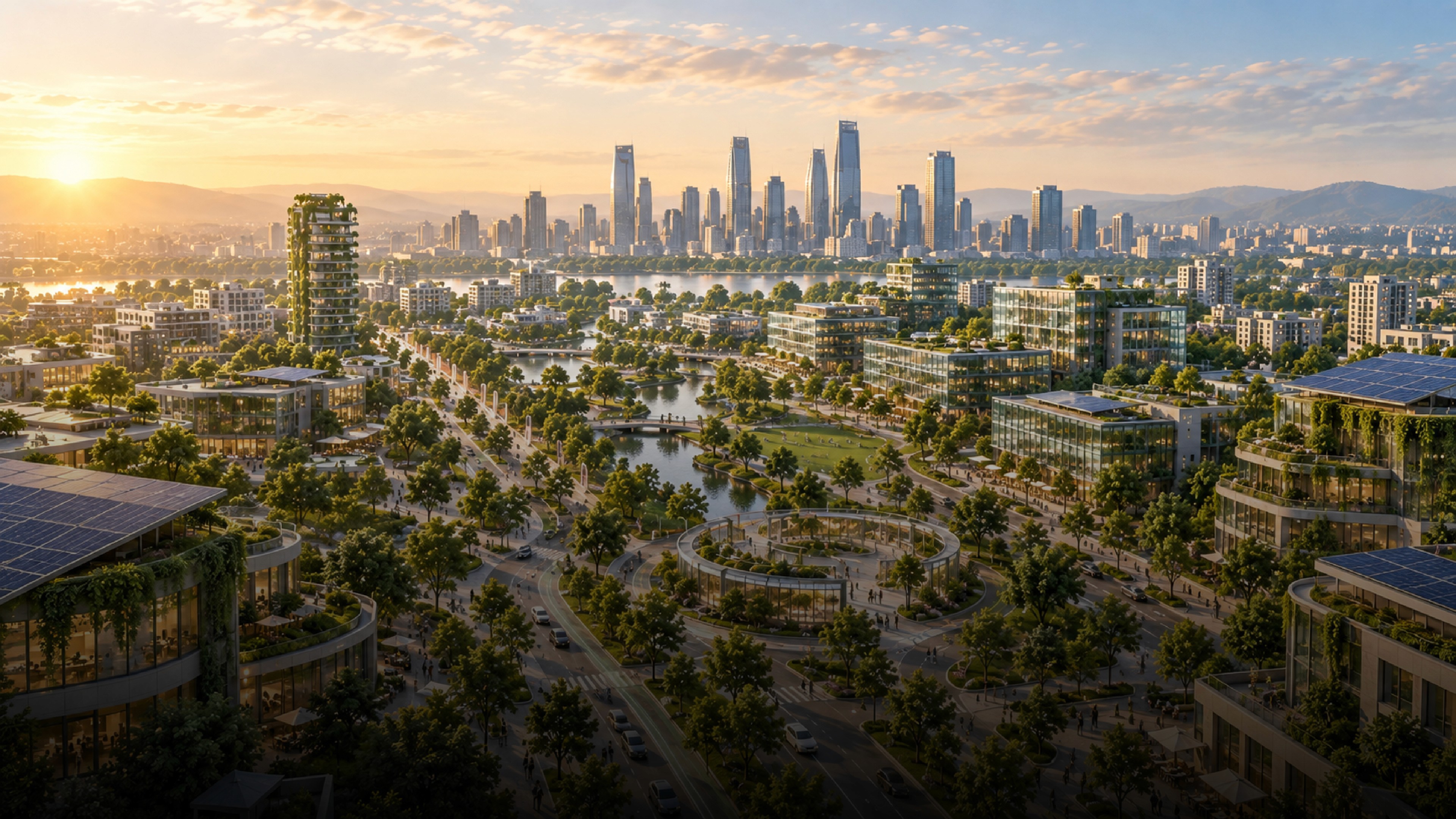
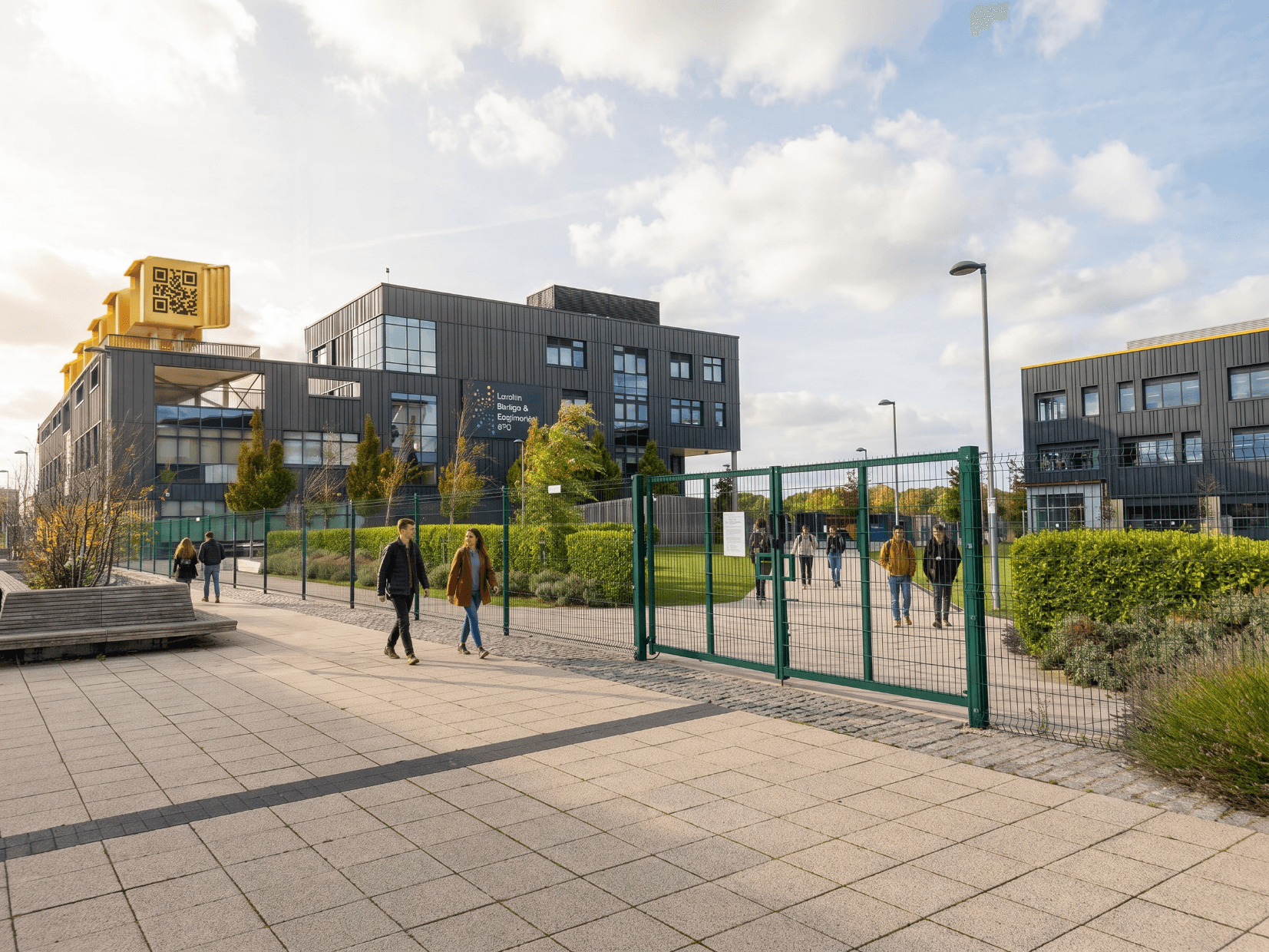
Higher quality of life for all: increased efficiency, decreased carbon footprint, smarter living.
Wind, solar, storage, and multi-fuel generation, managed citywide in real time. The utility grid is backup only, so the city keeps running when the grid goes dark.
Hospitals, schools, retail, grocery, and civic infrastructure, built into the city from day one so residents can live, work, and thrive.
Car-free streets, urban farming, closed-loop water, and 85%+ waste diversion. A lifestyle people choose, now paired with true energy independence.
A city’s energy needs are not one-size-fits-all. Demand shifts by sector, hour, and circumstance. Hover’s MMS integrates and manages multiple energy sources as one resilient microgrid, continuously matching supply to the city’s real-world demand.
Resilient Infrastructure Creates
Hover Cities™ runs the entire city as one system, managed by Hover’s Microgrid Management System™. Energy stays secure, and city data stays in the city.
It Starts With Power
Homes, schools, and hospitals stay powered when the grid goes dark.
Predictable energy costs that businesses and residents can plan around.
Cleaner power, cleaner air, and neighborhoods designed around people.
Infrastructure that grows with the city for generations.
This is Hover’s vision: resilience for the built environment, one city at a time.
A replicable energy model designed around how a city will live, built alongside its development, and managed for long-term resilience.
01
Design to Consumption

02
Build the Infrastructure

03
Own and Operate

04
Scale and Replicate


Sustainable City Developments
From master planning through long-term operations, Hover partners with developers to design, deploy, and manage integrated energy infrastructure. One connected system delivers cleaner power, greater resilience, and stronger long-term performance across the development.
Global Technology Partner · February 2026
The world’s most accomplished sustainable city developer, with 20 years of thriving communities across Dubai, Sharjah, Abu Dhabi, and Oman.
SEE Holding Brings
- 01Land acquisition and site control across four countries
- 0220 years of sustainable city master planning
- 03Community brand and resident trust
- 04Long-term asset management through SEE Assets
- 05Permitting, government relations, and regulatory experience
Hover Energy Brings
- 01The patented Hover Microgrid: 19 patents granted, 31 filed
- 02MMS 2.0, Hover’s agentic AI platform
- 03Intra-city transmission and distribution design
- 04A no-CAPEX, power-as-a-service commercial model
- 05Grid independence: islanding, black start, and full resilience
“Hover makes the city energy-independent. SEE Holding makes it worth living in. Together, we are building the blueprint for the cities of tomorrow.”
Inside a Hover City
Explore the System
Tap a point to see how energy is generated, stored, and delivered. Intra-city transmission and distribution carries power from every rooftop and storage node to every home, school, hospital, and business.
